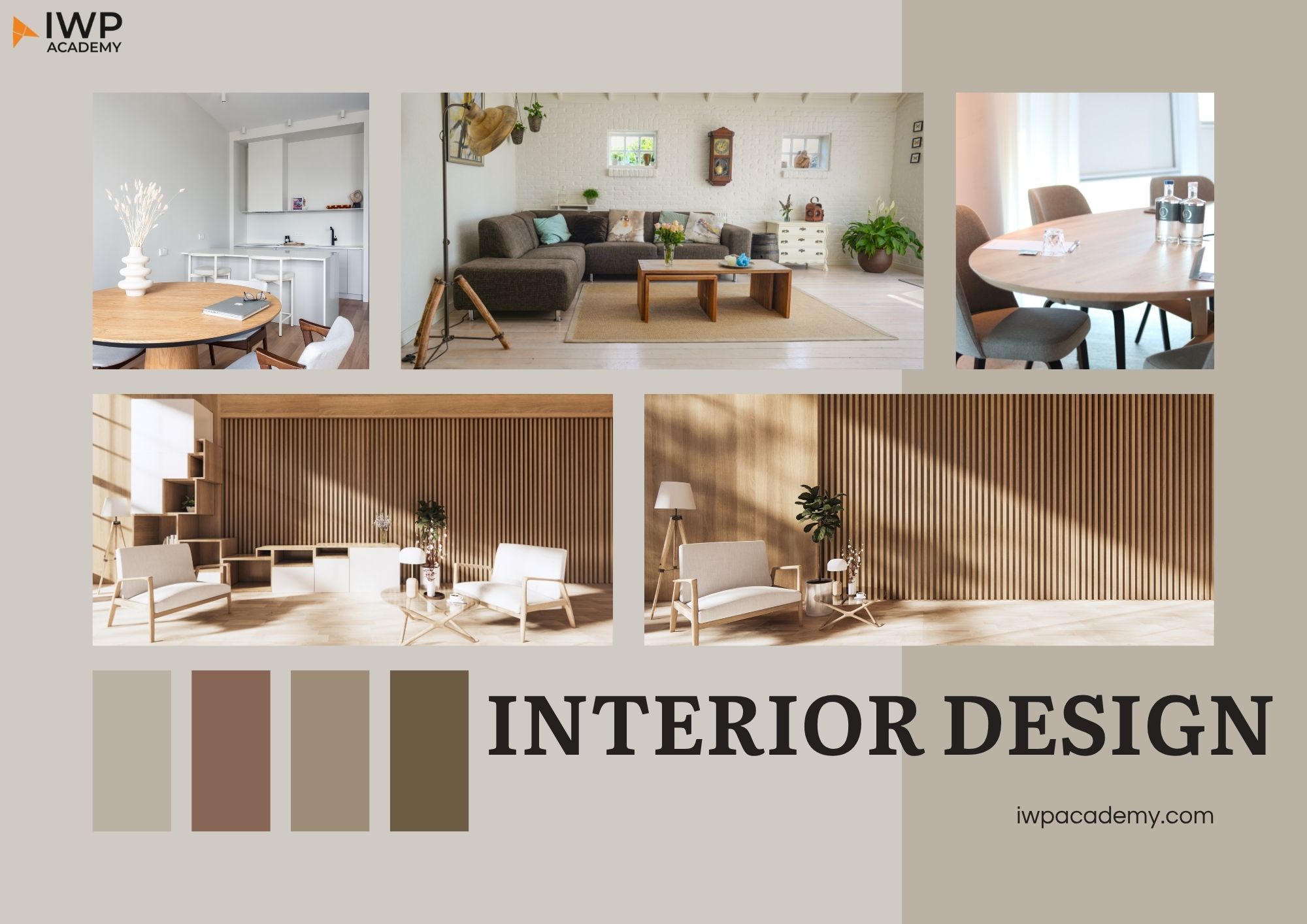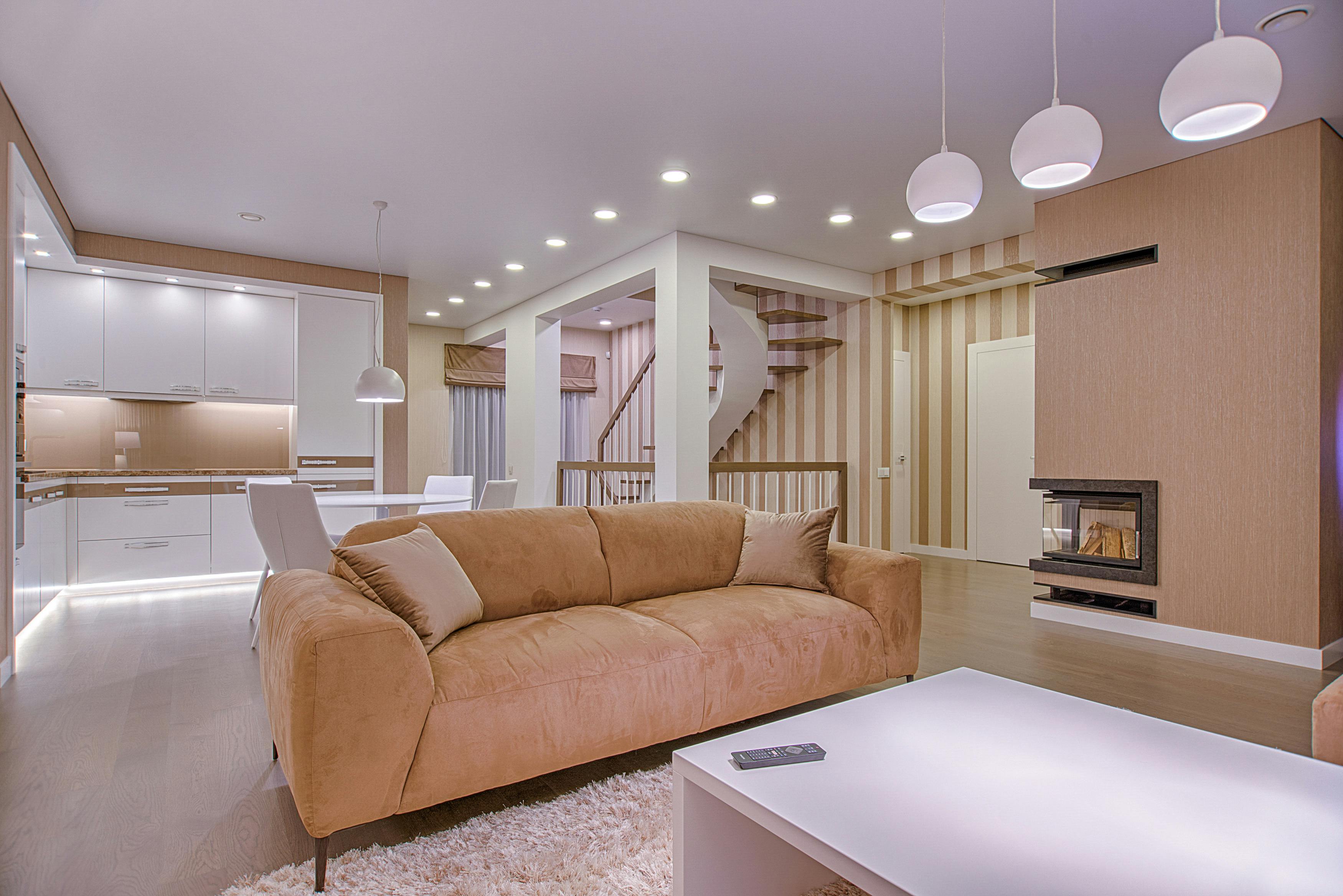
Have you ever walked into a beautifully decorated room and thought I wish I could create spaces like this? If yes, you might already have the instincts of a great interior designer. And here's the exciting part: you don't need to wait years to start this journey. An interior designing course after 12th can be the launchpad to a rewarding, creative career one where every day looks different and every project tells a story.
Interior design is no longer just about picking curtain colours or rearranging furniture. It's a full-fledged profession that blends creativity with technology, psychology with aesthetics, and function with beauty. The demand for skilled interior designers is growing rapidly across India and globally, as more people invest in smart homes, corporate offices, retail spaces, and hospitality projects.
In this guide, we'll walk you through everything you need to know from eligibility and course details to career scope, salary expectations, and why choosing the right institute makes all the difference.
What is an Interior Designing Course? An interior designing course teaches you how to transform any space a home, office, hotel, or retail store into something functional, comfortable, and visually stunning. It's a perfect mix of technical skills and artistic expression.
During the course, you'll learn how to plan room layouts, choose the right color palettes, select furniture and materials, work with lighting, and create designs that meet both the client's vision and practical requirements. Whether it's a cozy apartment in Mumbai or a luxury hotel lobby in Dubai, interior designers make spaces come alive.
The best part? You don't need a background in architecture or engineering. A genuine love for design and creativity is your greatest qualification.
Can You Do Interior Designing After 12th? Absolutely, yes! This is one of the most beginner-friendly professional courses available right after school. Here's what you need to know about interior designing eligibility:
Educational qualification: You must have completed your Class 12 from any recognized board (CBSE, ICSE, State Board, etc.)
Stream: Students from Science, Commerce, and Arts are all eligible. There is no stream restriction.
Minimum marks: Most institutes require 45–50% in Class 12. Some have no minimum marks criterion.
Age: Typically 17 years or above at the time of admission.
Prior experience: Not required. Beginners are always welcome.
Whether you're a Science student who loves structures or an Arts student who loves colors interior designing welcomes everyone.
Why Choose Interior Designing as a Career? If you're still wondering whether an interior design career is the right move, here are some compelling reasons students are choosing this path:
Creative freedom Every project is a new canvas. No two days or designs are ever the same.
High demand India's real estate boom is driving massive demand for skilled designers.
Own business Start your own studio after gaining experience and build your own brand.
Flexible work Work remotely, freelance, or on site. The choice is yours.
Global scope Interior design skills are recognized and valued across the world.
Skills Required for Interior Designing Great interior designers are made, not just born. While some skills come naturally, many can be developed through training and practice:
Creativity Communication Space planning Color theory Attention to detail Visual thinking Problem-solving Time management
Don't worry if you haven't developed all these skills yet. A good interior designing course teaches you most of them through hands on projects and real-world assignments.
What Students Learn in an Interior Designing Course
Here's a glimpse of what a typical curriculum covers:
Design fundamentals & concepts You'll start with the basics principles of design, elements of art, and how to apply them to real spaces. This forms the foundation of everything else you learn.
AutoCAD & technical drawing Learn to create accurate floor plans and design layouts using industry-standard software like AutoCAD. This is a skill every professional interior designer must have.
Furniture planning & material selection Understand how furniture placement affects function and flow, and how to choose the right materials wood, fabric, glass, metal for different spaces and budgets.
Lighting design concepts Good lighting can make or break a design. You'll learn the difference between ambient, task, and accent lighting and how to use each to enhance a space.
Space planning & 3D visualization Using tools like SketchUp and 3ds Max, students learn to create 3D walkthroughs that let clients see their future space before a single wall is painted.
Interior Design Scope: Career Options After the Course One of the biggest advantages of pursuing this field is the wide-ranging interior design scope. Graduates can choose from a variety of exciting roles:
Interior Designer Work with residential or commercial clients to create stunning living and working spaces.
Space Planner Specialize in optimizing how space is used in offices, hospitals, and retail environments.
Furniture Consultant Guide clients on furniture selection, customization, and sourcing for their projects.
Freelance Interior Designer Enjoy the freedom of working independently, managing multiple clients and projects.
Design Consultant Advise companies and builders on design strategy, materials, and trends. Set Designer / Visual Merchandiser Work in media, retail, or exhibition spaces to create compelling visual experiences.
Salary & Growth Opportunities A career in interior designing offers genuine financial growth as your experience and portfolio build up:
Beginner (0 to 2 yrs) ₹2 to 4 LPA
Mid-level (3 to 5 yrs) ₹5 to 10 LPA
Senior / Own studio ₹15 LPA+
Freelance designers and studio owners often earn significantly more, depending on the scale of their projects. The real estate and hospitality boom in cities like Mumbai, Delhi, Bengaluru, and Hyderabad means interior design jobs are only growing in number.
Why You Should Join a Professional Interior Designing Institute Self learning has its limits. When it comes to a creative profession like interior design, enrolling in a reputed institute makes a huge difference and here's why:
Practical, project based training that mirrors real-world client scenarios Portfolio development your biggest asset when applying for jobs or freelance work Industry exposure through site visits, guest lectures, and internship opportunities Mentorship and career guidance from experienced professionals who've worked in the field Certification that adds credibility and opens doors to better opportunities Choosing the best interior designing institute isn't just about the course fee it's about the quality of training, faculty experience, and the network you build. Look for institutes with a strong track record, industry connections, and placement support.
Conclusion: Your Creative Career Starts Now If you've made it this far, chances are you're already imagining what a career in interior designing could look like for you. And trust us it can look incredibly exciting. The interior design scope in India is expanding every year, and the right training can put you right at the center of this growth.
Whether you dream of designing luxury homes, chic cafés, or cutting edge offices, an interior designing course after 12th is your first, most important step. Don't let uncertainty hold you back. The world needs more people who can make spaces beautiful, functional, and meaningful.
Your creativity is your biggest asset. It's time to invest in it.
Ready to Start Your Interior Design Journey? Enroll in a professional interior designing course today and turn your passion for design into a fulfilling, high-growth career. The perfect space begins with the right education and that education begins now.