It’s Not Just About Making Things Look Good
Picture this: you walk into a room and instantly feel more relaxed. Maybe it’s a cozy little café with the kind of soft lighting that makes you want to stay forever. Maybe your friend’s bedroom, where everything just fits the vibe, the colours, the comfort. Ever wonder who makes that happen?
It’s not magic. That right there feeling? That’s interior design, plain and simple.
Way too many people hear “interior design” and think it’s about fancy throw pillows, paint swatches, and perfectly placed chairs that end up on Instagram. Sure, that’s part of the job, but reducing interior design to just “decorating” is like saying all doctors do is hand out prescriptions. It barely gets the story started.
What interior designers actually do is blend creativity, science, psychology, and a whole lot of practical planning. They don’t just fill a room they turn it into an experience. Honestly, interior design is one of the most underrated careers out there. If you’re considering taking a course in it but you’re still not sure, stick with me. You’ll see the field in a whole new way.
Let’s get into what makes interior design so much more than decorating and why it’s actually a career worth chasing.
So, What Is Interior Design, Really?
If you strip it down, interior design means making spaces healthier and more beautiful for the people who use them. Designers think about how people actually move through a room, how colours make you feel, how furniture and lighting affect your mood, and how those details impact your life from the moment you walk in.
It’s never just about making things look nice. Designers plan, research, coordinate, and lead whole projects from the idea stage to the final results. They work with architects, builders, and their clients to make sure every room whether it’s a house, a school, an office, a hospital, or a hotel not only looks great but actually works.
Some things designers focus on:
Space Planning: Figuring out how people use a room, where things go, and how everything flows. Color: Knowing what colors do to your head and your heart. Lighting: Using sunlight, lamps, or fancy LEDs to set the mood. Furniture and Layout: Picking the right chairs, tables, beds, and putting them where they make sense. Materials & Textures: Adding depth and interest with fabrics and finishes. Style & Aesthetics: Pulling it all together so the place has its own vibe and looks like you.
Get into a serious interior design course, and you’ll learn all this. You’ll start walking into random rooms and thinking, “Oh, I see what they did here…and here’s what I’d change.”
Why Interior Design Is So Much More Than Decoration
Here’s the cool part interior design changes how we live.
-
Spaces Actually Work Ever seen a tiny apartment packed full of stuff? With the right design, even a postage stamp-sized place feels roomy and organized. Designers look for ways to use every inch, invent clever storage, and get people moving easily. That’s way more than just hanging pretty curtains.
-
Comfort Comes Standard There are beautiful spaces you can’t wait to leave because they’re just not comfortable a stunning chair that hurts, or an office that’s so badly lit it gives you a headache. Designers care about ergonomic furniture, sound, lighting, even the air you breathe. When a space feels good, you just want to stay.
-
Design Messes with Your Mood Ever notice how certain places put you on edge, while others calm you down? That’s no accident. Designers use colour, light, and layout to set the vibe. Warm shades give you energy. Blues and greens relax you. High ceilings set you free. Snug corners make you feel safe. In the right hands, a hospital, classroom, or home can totally change how you feel.
-
People Actually Get More Done A well designed office makes work feel easier. Research backs that up when people work in a smart, comfortable space, they’re more productive, more creative, even less stressed out. Every detail matters, from natural sunlight to where the coffee machine is.
-
Your Space Looks Like "You" Home isn’t about matching the latest trend. A good designer listens what do you love? What do you need? How do you live? Great design doesn’t just look “nice.” It feels right for you.
The Creative Side
If you like to problem-solve, rearrange things, or have ideas about how a bland space could be awesome, this field might be your jam. It’s not just about taste. It’s about seeing potential in what’s not obvious. It’s creating stories with spaces, mixing old and new, building little surprises, and making rooms feel unique every single time.
No two clients, no two rooms, no two days are the same. That’s a big part of what keeps it fun.
And if you pick a solid course, you won’t just memorize rules. You’ll learn how to think like a designer and start reshaping the way you look at every room you enter.
Skills Designers Really Use
Worried you might not have the right skills? Most people start from scratch and pick up what they need as they go. What helps the most?
Creativity: Can you picture something that isn’t there yet? Communicating: Explaining your vision so clients and contractors actually get it. Planning: Figuring out how to use spaces in smart ways. Knowing Colors: What combinations work. What doesn’t. Mastering the Tools: Design software like AutoCAD, SketchUp, Photoshop. Sharp Eyes: Details matter, especially the little ones. Project Management: Stay on schedule, stay on budget. Problem solving: Every project hits speed bumps. Designers find ways over, around, or through.
You get better the more you practice. It all builds up.
Career Options Way More Than You Think
People think interior design is a limited field. Not true. There’s a ton of paths you can take:
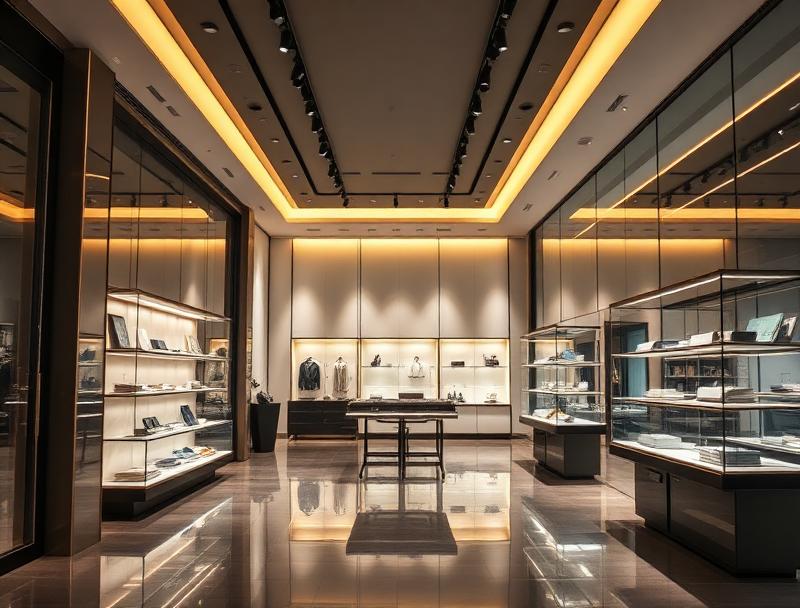
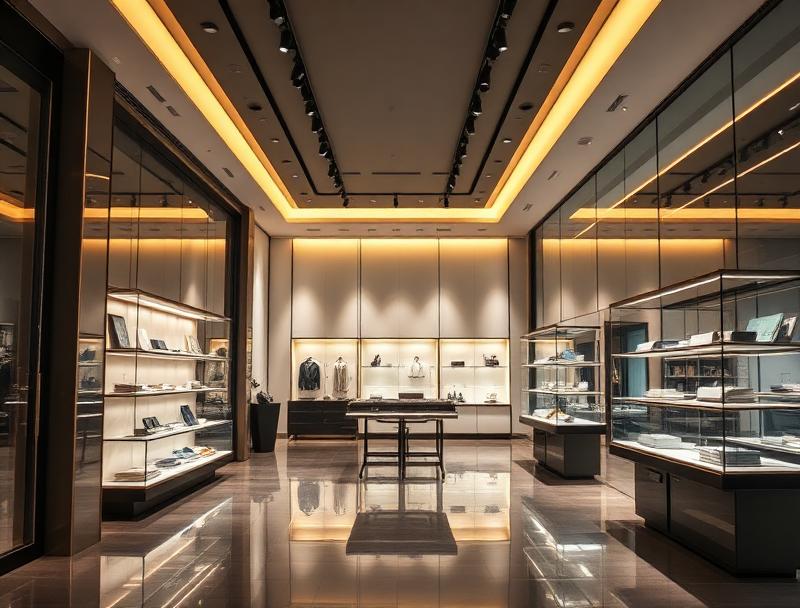
Design homes, offices, hotels, pretty much any space people use. Focus on space planning make schools, hospitals, or airports easier to navigate. Design furniture from scratch. Set design for movies or theater. Plan exhibitions or events. Style retail stores. Become an independent freelancer. Consult on design projects. Teach the next generation.
There’s real demand too especially as people invest more in their spaces. This career isn’t going anywhere.
Why Students Should Think About Interior Design
Still picking a path? Here’s why you should consider this one:
The field’s growing fast especially with how India’s real estate is exploding. It’s a hands-on, creative career. If you love art and want to make an actual impact, this is it. You can earn well, especially as you build a reputation and portfolio. There’s space to be your own boss lots of designers start their own studios. It’s meaningful. Transforming a space can change how people live, work, and feel.
Best move? Pick a course with real-world projects, solid mentors, industry connections. The best training doesn’t just teach you rules it teaches you how to solve problems and bring ideas to life.
What You’ll Learn in a Design Course
Sign up for training and you’ll cover:
Basics: design principles, color, style, materials, and what’s been done through history. Tech: drafting, software (AutoCAD, SketchUp, 3D modeling), space planning. Real projects: pitch ideas, build portfolios, get feedback. Soft skills: working with clients, handling criticism, budgeting, and leading teams.
When you finish, you won’t just have book knowledge. You’ll have a killer portfolio, real project skills, and the guts to start your career.
Ready to Design Your Future?
Interior design isn’t just a subject it changes the way you see the whole world. Rooms aren’t just rooms. They can calm you down, fire you up, or heal you. That takes training, a creative spark, and some serious heart.
If you’ve ever found yourself rearranging your bedroom just to see what feels best, or you get excited by a well-lit café corner, you’re already on your way.
There’s meaning here, and there’s a market. All you need is the right program to get moving.
So do it. Find a good course with real projects and mentors who care. Start building a career where you get to make everyday life better, one space at a time.
FAQs
-
How long does it take to complete an interior design course? Depends on the program. Certificate courses: 3 to 6 months. Diplomas: around 1 to 2 years. Bachelor’s degree: 3 to 4 years. A lot of people start small (like with a diploma) and level up as they go.
-
Who can join an interior design course? Most certificate and diploma courses want you to have finished grade 10 or 12. Degrees require you to complete 12th. Some schools ask you to pass an entrance test or bring a portfolio, but honestly, the main thing is a real interest in creativity not a specific background in arts or science.
-
What jobs can I get after? The list’s long residential/commercial designer, space planner, furniture designer, set designer, exhibition/event planner, retail display designer, freelancer, or even teacher. You can join a firm, team up with architects, freelance, or start your own thing.
-
What’s the earning potential? Starting salaries in India run ₹15,000 to ₹30,000 a month. Build a good portfolio and get experience, and that number jumps. Senior designers and consultants can hit lakhs per project with freelancers earning more as reputation grows.
-
What skills do I really need? Top ones: creativity, visualizing spaces, communication, color sense, knowing design software, being detail oriented, space planning, project managing, and solving problems as they come up. The best part? You build these as you go, with good training and hands-on projects.
Ready to jump in? Look for interior design courses nearby. Start building a career that’s creative, rewarding, and actually makes a difference in how people live.